Scott: preparing for flood costs before borrowing
By NovaCash · Updated September 22, 2026
Use local flood information, review insurance and keep a record of expenses before deciding how to cover an uncovered cost.
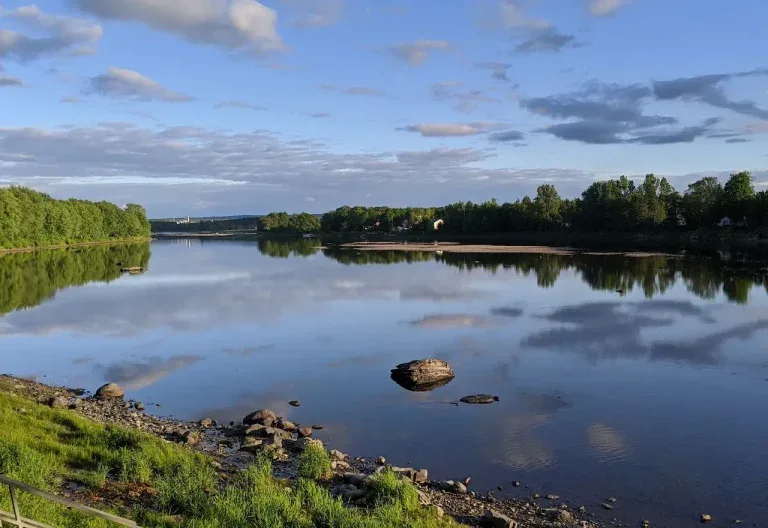
In Scott, preparing for a flood includes knowing where to find local instructions and how you would cover immediate expenses. Start with safety, insurance information and a record of what you may need to pay. That gives you a clearer basis for a financial decision than borrowing before the likely costs are known.
The municipality's civil-security page links local information, including the Chaudière River monitoring station at Scott. Follow current municipal instructions during an event. For preparation and recovery guidance, use Quebec's flood information page.
Prepare the documents you would need
Keep your insurance policy number, insurer's contact information and important household records accessible if you must leave home. Make an inventory of belongings and store copies of relevant photographs somewhere you can reach without returning to the property. Follow official guidance when deciding what preparations are safe.
Think through practical arrangements: where you could stay, how you would travel and what essential supplies you would need. Confirm whether family or friends could help rather than assuming space or transport will be available. Estimate these costs from your circumstances, including any needs that make temporary arrangements more expensive.
Ask specific insurance questions
Contact your insurer to understand the water-related coverage in your policy. Describe the situation rather than assuming all types of water damage are treated alike. Ask about the deductible, limits, temporary accommodation and documentation needed for a claim.
- Which expenses need approval before you incur them?
- What photographs, estimates and receipts should you keep?
- How should urgent protective work be handled?
- What information is still needed before coverage can be confirmed?
Write down the answers and keep claim correspondence together. An expense you hope will be reimbursed is different from a payment whose amount and timing have been confirmed. Keep those categories separate when planning how to pay immediate bills.
Track immediate costs and possible assistance
Scott's civil-security page includes disaster declaration and financial-assistance information. Use it and the Quebec guidance to find the applicable process and current instructions. Ask what expenses and documents are relevant to your situation before counting on assistance.
Keep a simple list of each expense, its due date, the receipt or estimate, and whether insurance or assistance has been confirmed. Record amounts you have already paid as well as those still due. This reduces the chance of overlooking a bill or treating the same expected reimbursement as available for several expenses.
Work out the uncovered amount
Once urgent needs are clear, compare the amount due with accessible savings and confirmed support. Ask service providers whether payment arrangements are available. If repair costs are still uncertain, obtain written estimates and identify what could change before committing to a larger project.
When considering borrowing, plan repayments from income you can reasonably rely on. Do not make the whole plan depend on an unsettled claim arriving by a particular date. Include ordinary housing, food and transport expenses during any disruption.
Get help with the budget
ACEF Appalaches-Beauce-Etchemin serves La Nouvelle-Beauce and offers budget consultations. A list of immediate costs, pending claims and regular bills can help focus the conversation.
If you consider a NovaCash online loan of $300 to $2,000 CAD, review the eligibility criteria and the offer's full repayment schedule before deciding.