Saint-Lambert-de-Lauzon: budgeting for commuting
By NovaCash · Updated September 22, 2026
Track a full pay cycle of travel, set aside money for vehicle bills and test practical changes before a commuting shortfall becomes routine.
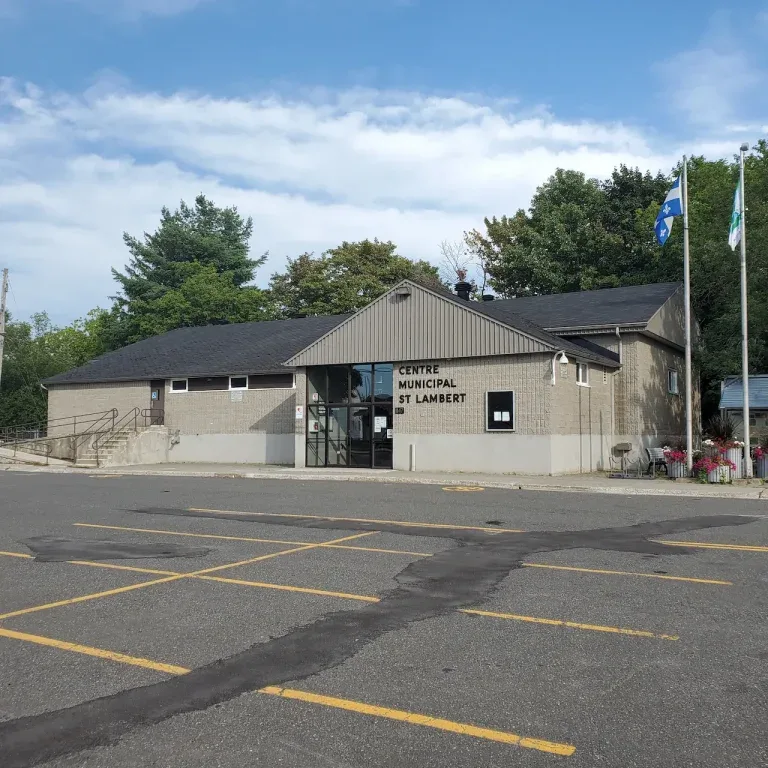
For a household in Saint-Lambert-de-Lauzon that travels regularly toward Lévis or Quebec City, a commuting budget needs to last beyond the next tank of fuel. Start with what you spend over a full pay cycle, then add the vehicle bills that arrive less often.
The municipal website provides local notices and access to the Voilà citizen portal. Keep relevant municipal bills and commitments in the same household calendar as transport costs so commuting is not planned in isolation.
Track the routine before changing it
For a typical pay cycle, record workdays, fuel purchases, parking and other travel spending. Note necessary stops for childcare, groceries or appointments. If your shifts vary, include a busier cycle as well as an ordinary one.
Review several fuel receipts rather than treating one fill-up as a standard week's cost. Purchases can move between pay periods even when travel stays similar. What matters is the amount needed to sustain your actual routine.
Separate essential trips from those you can combine, reschedule or share. The goal is to find a change you can keep making without putting work attendance or important household needs at risk.
Reserve money for the less frequent bills
Alongside fuel and parking, include insurance, any vehicle payment, registration, licence renewal, tyres and maintenance. Use existing invoices and current estimates to set the amounts. Avoid counting the same annual bill both as a monthly cost and as an extra expense when it comes due.
- For a bill due later in the year, set aside a share from each remaining payday.
- For scheduled maintenance, ask what work is expected and when.
- For unexpected repairs, build a separate reserve when the budget allows.
- After paying a bill from a reserve, update the balance and next target date.
This approach shows whether the regular commute is affordable even in a month without a repair invoice. It also keeps an apparently quiet month from absorbing money needed for the next renewal.
Test a change using real arrangements
If carpooling is possible, confirm pickup points, contributions and both travellers' schedules. Plan for days when one person is absent or finishes later. If you are considering another transport option, verify the whole journey and current costs before relying on it.
Compare the expenses that would actually fall. Fewer trips may reduce fuel and parking, while vehicle payments and insurance remain. If an employer permits a different schedule or work from home, base the saving on confirmed days rather than an arrangement you hope to negotiate.
Try the change for a pay cycle and record the result. Include any backup rides or extra travel it required. Keep the version that works in practice, then update the household budget.
Address a recurring shortfall early
If money for fuel repeatedly comes from the amount reserved for rent, food or utilities, review the full budget. ACEF Appalaches-Beauce-Etchemin serves La Nouvelle-Beauce and offers budget consultations. Bring your travel record, annual vehicle bills and other payment dates.
If you are considering borrowing for a separate expense, the FCAC explains loan costs and repayment terms. Compare the total repayment amount as well as the individual payments.
NovaCash offers online loans of $300 to $2,000 CAD. Read the published eligibility criteria, then put the actual offer schedule beside your recurring commuting costs. Allow for the annual vehicle bills that will arrive during repayment.