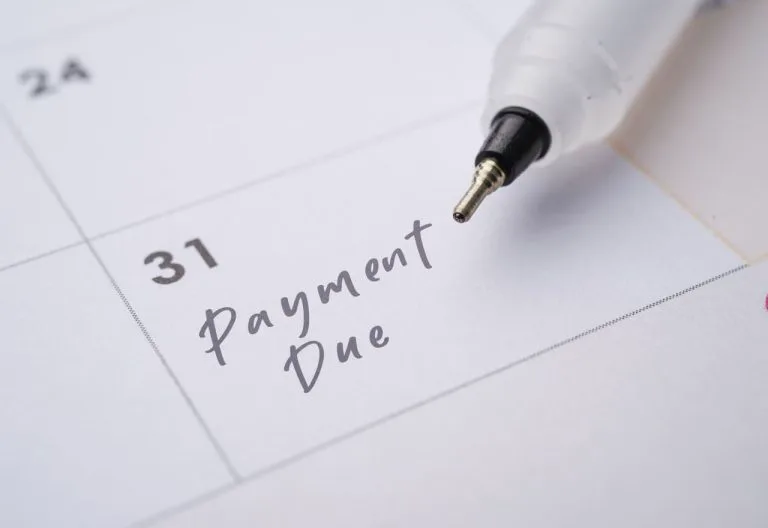
Paid on Time or Priced on Paper? Why Dates Can Cost You More Than Rates
When people think about loans, they usually focus on the interest rate. It sounds logical. A lower rate feels like a better deal. But in real life, many borrowers feel the pressure not from…

When people think about loans, they usually focus on the interest rate. It sounds logical. A lower rate feels like a better deal. But in real life, many borrowers feel the pressure not from the rate, but from when the payment is due. A loan with a fair interest rate can still cause stress if the payment date does not match when money actually comes in.
Payment dates shape how easy or hard a loan is to live with. They affect cash flow, late fees, and even peace of mind. When payments are due before a paycheck arrives, borrowers may rely on credit cards, overdrafts, or short term fixes. Over time, these small timing problems can cost more than a higher interest rate ever would. That is why understanding payment dates is just as important as understanding the rate itself.
Timing Is What Turns a Loan Into a Daily Reality
A loan does not live on paper. It lives inside everyday life. Groceries, rent, transport, school costs, and small emergencies all compete for the same money. When a payment date is badly placed, the loan stops being a background responsibility and turns into a constant worry. Even a low interest loan can feel heavy if the payment is due at the worst possible moment each month.
Many borrowers discover this only after signing. They expected the interest rate to define the cost, but the calendar defines the stress. A payment due a few days before income arrives forces hard choices. People delay bills, borrow again, or feel anxious checking their balance. Over time, this pressure matters more than the rate printed in the contract.
Paychecks Do Not Care About Loan Schedules
Most people are paid weekly, biweekly, or monthly, and those dates rarely change. Loans, however, often follow rigid schedules that ignore how income actually works. When these two timelines clash, borrowers feel the impact immediately. Money may exist on paper but not in the account yet.
This gap creates short periods of shortage that repeat every month. Borrowers may use overdrafts or short term credit just to bridge a few days. These small fixes often add fees and stress. Even though the interest rate stays the same, the real cost grows because the timing is wrong.
Late Fees Grow Faster Than Interest
Interest builds slowly and predictably. Late fees do not. A single missed or delayed payment can trigger penalties that are far higher than a month of interest. When payment dates are poorly aligned with income, late fees become more likely, even for responsible borrowers.
Many people are not late because they forget or refuse to pay. They are late because the money arrives too late. Over time, these fees add up and erase any benefit of a low interest rate. In practice, a slightly higher rate with a better payment date can be cheaper and far easier to manage.
Stress Changes Financial Behavior
When people worry about a payment date, they behave differently with money. They stop planning long term and start reacting day by day. This stress can lead to rushed decisions, like using expensive credit options or skipping important expenses just to survive until payday.
Interest rates do not cause this kind of emotional strain. Payment timing does. A loan that fits smoothly into a person’s income rhythm allows better decisions. People save more, spend more carefully, and feel more in control when the due date works with their life instead of against it.
Cash Flow Matters More Than Total Cost
The total cost of a loan is important, but cash flow decides whether a borrower can actually handle it. A payment that arrives at the wrong time can break cash flow even if the loan is affordable overall. This is where many financial problems begin.
Good cash flow means money comes in before it needs to go out. When payment dates support this flow, borrowers stay stable. When they interrupt it, even small loans can cause big problems. That is why borrowers often feel relief when a lender allows flexible or adjustable payment dates.
Missed Payments Can Harm More Than Wallets
A missed payment does not just cost money. It can hurt credit scores, confidence, and trust in the financial system. Many borrowers blame themselves, even when the real issue is poor timing rather than poor planning.
When payments are due at sensible times, borrowers succeed more often. Fewer missed payments mean stronger credit and more confidence. This long term impact is far more important than saving a small amount through a lower interest rate that causes repeated problems.
Flexible Dates Create Breathing Room
Loans that allow payment date changes give borrowers space to manage real life. Illness, job changes, or unexpected costs happen to everyone. A flexible payment date helps people recover without falling behind.
This flexibility often matters more than a small difference in interest. Borrowers value loans that adapt to them instead of forcing them into stress. When people can choose or adjust their due date, they are more likely to stay on track and feel respected rather than pressured.
The Best Loan Fits the Borrower’s Life
A good loan should match how a person lives, earns, and spends. Interest rates measure cost, but payment dates measure compatibility. A loan that fits naturally into someone’s routine feels lighter and safer, even if the rate is not the lowest available.
Borrowers who understand this start asking better questions. They look beyond the rate and focus on timing, flexibility, and flow. In the end, the loan that works with their life usually costs less in stress, fees, and mistakes than one that only looks good on paper.
When the Right Date Makes the Right Loan
In the end, a loan should support your life, not disrupt it. Interest rates matter, but they do not decide how your month feels. Payment dates decide whether you feel calm or stressed, prepared or rushed. When payments match your income, everything becomes easier. Bills are paid on time, fees are avoided, and money decisions feel clearer. That balance is what truly makes a loan manageable.
This is why choosing the right lender matters so much. NovaCash understands that timing is just as important as numbers. By focusing on flexible and borrower friendly payment options, NovaCash stands out as a smart choice for anyone looking for a loan that fits real life. To learn more and see how the right payment schedule can make a difference, we invite you to visit our website and explore your options.
FAQ
Why are payment dates so important for loan borrowers?
Payment dates decide how well a loan fits into everyday life. When a payment is due before income arrives, it can cause stress, late fees, or missed payments. Even with a low interest rate, bad timing can make a loan hard to manage month after month.
Can a higher interest rate ever be the better choice?
Yes, sometimes it can. A loan with a slightly higher rate but a better payment date may be easier to handle and cheaper in the long run. Fewer late fees, less stress, and smoother cash flow often matter more than a small difference in interest.
How do payment dates affect cash flow?
Cash flow depends on money coming in before it goes out. When loan payments line up with paydays, bills are easier to pay on time. When they do not, borrowers may rely on overdrafts or short term fixes that create extra costs.
Is there a lender that focuses on flexible payment timing?
Some lenders understand that timing matters just as much as numbers. NovaCash is known for offering loan solutions that better match real income schedules, helping borrowers stay in control and avoid unnecessary stress.